The Big Effect of Little Senior Care Homes on Quality Dementia Support
Business Name: BeeHive Homes of Arrowhead Assisted Living
Address: 17202 N 69th Ave, Glendale, AZ 85308
Phone: (602) 717-1864
BeeHive Homes of Arrowhead Assisted Living
BeeHive Homes of Arrowhead Assisted Living care is ideal for those who value their independence but require help with some of the activities of daily living. Residents enjoy 24-hour support, private bedrooms with baths, medication monitoring, home-cooked meals, housekeeping and laundry services, social activities and outings, and daily physical and mental exercise opportunities. We offer full memory care services that accommodate the growing number of seniors affected by memory loss and dementia. Beehive Homes offers respite (short-term) care for your loved one should the need arise. At the BeeHive Homes of Arrowhead Assisted Living, we strive to provide the best care for our residents while maintaining their dignity and respect.
17202 N 69th Ave, Glendale, AZ 85308
Business Hours
Families rarely start their search for dementia care from a place of calm. By the time someone types "memory care near me" or "small assisted living home" into a search bar, they are typically tired, stressed, and bring months or years of peaceful crisis.
In that moment, the senior care landscape looks like a labyrinth: large assisted living communities with shiny pamphlets, nursing homes that feel too medical, adult day programs that cover only part of the day, and something that many individuals have actually not heard much about: little residential care homes.
These small homes go by different names depending upon the state or nation. You might see terms like residential care, board and care, adult household home, or little assisted living. Whatever the label, the concept is easy. Rather of a hundred residents in a big structure, you might have 6 to twelve older adults residing in a house on a residential street.
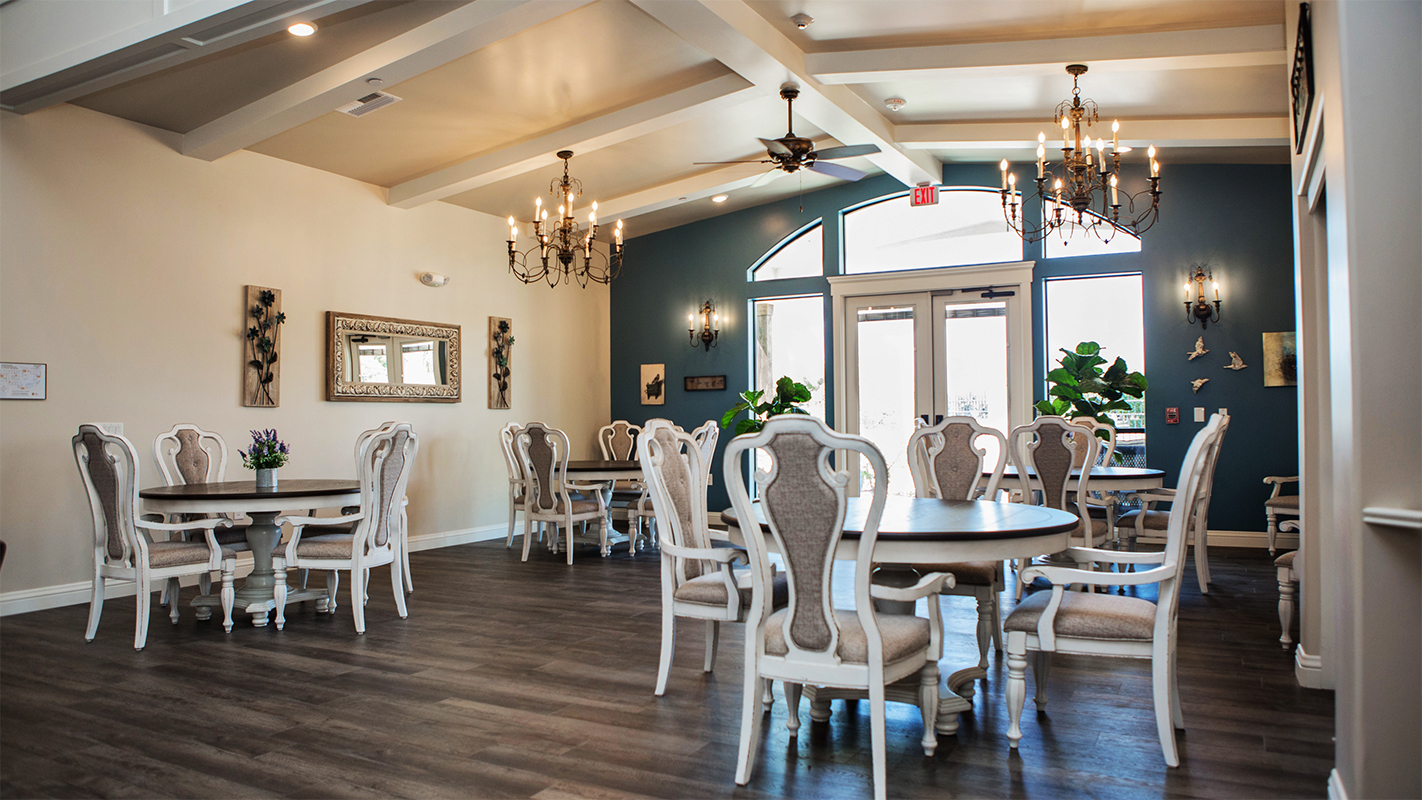
For individuals living with dementia, those little homes can quietly alter everything.
Why small senior care homes matter for dementia
Dementia improves not simply memory, however how a person experiences space, sound, light, and social interaction. Big, busy environments that feel "vibrant" to a healthy grownup can feel complicated or even frightening to somebody with cognitive changes.
In my deal with households and providers, I have seen the same pattern repeat. An individual does badly in a large assisted living facility or standard memory care system, then supports and even enhances after transferring to a smaller sized home with fewer citizens and more constant caretakers. The diagnosis did not change. The medications did not change. The environment did.
Large communities have strengths, consisting of more amenities and sometimes much easier access to on-site medical services. Yet when the goal is really personalized dementia care, small homes often have structural benefits that are difficult to duplicate at scale.
How small homes change the experience of memory care
Imagine 2 different mornings.
In a large memory care community, one caregiver may be accountable for 8, 10, often more residents during the early morning rush. Staff strive, but there is a clock ticking in the background. Breakfast must be served, medications passed, showers offered. People wait.
In a small senior care home, the caregiver-to-resident ratio is frequently more detailed to one staff member for each three or four homeowners, in some cases even much better throughout peak times. The morning can bend with the locals. Someone can sleep a bit longer. Another can take more time in the bathroom without a line forming outside the door.
This distinction plays out across the whole day.
Smaller memory care homes tend to:
- Reduce overstimulation by restricting noise, crowding, and continuous traffic in corridors.
- Create familiar, predictable routines around meals, activities, and rest.
- Allow personnel to find out each resident's personal history, sets off, and conveniences in detail.
- Make it simpler to find little changes in behavior, state of mind, or movement.
- Support more secure wandering or pacing, because staff can see and hear more of what is happening.
None of this is magic. It is merely the outcome of scale. With fewer residents, every team member has a clearer photo of who is where and what they need.
The human side of "staff ratios"
Families typically zero in on staffing numbers, and for great factor. But by themselves, numbers can misinform. 2 communities can promote the exact same ratio and deal totally various experiences.
In a small senior care home, a caretaker might spend months or years with the same ten locals. They find out that Mrs. L gets distressed in the late afternoon and needs a quiet place, that Mr. B eats better if his food is cut a certain way, that a particular song calms someone during personal care.
Over time, that knowledge ends up being as important as any formal dementia training. It permits personnel to prevent issues instead of just responding to them. They can see the difference in between "he is having a hard day" and "something is clinically wrong."
In a bigger assisted living or memory care setting, personnel turnover and rotating projects can make it harder to preserve this depth of familiarity. Many big neighborhoods strive to produce steady teams, and some be successful, however the large size of the operation increases complexity. More citizens, more shifts, more opportunity that somebody who knows an individual well is not on responsibility when required most.
Small homes are not immune to turnover or burnout, yet the more detailed daily contact in between personnel and residents frequently sustains a stronger sense of mutual accessory. Caretakers are not just assigned a corridor; they belong to a household.
Home-like environments, not simply home-like decor
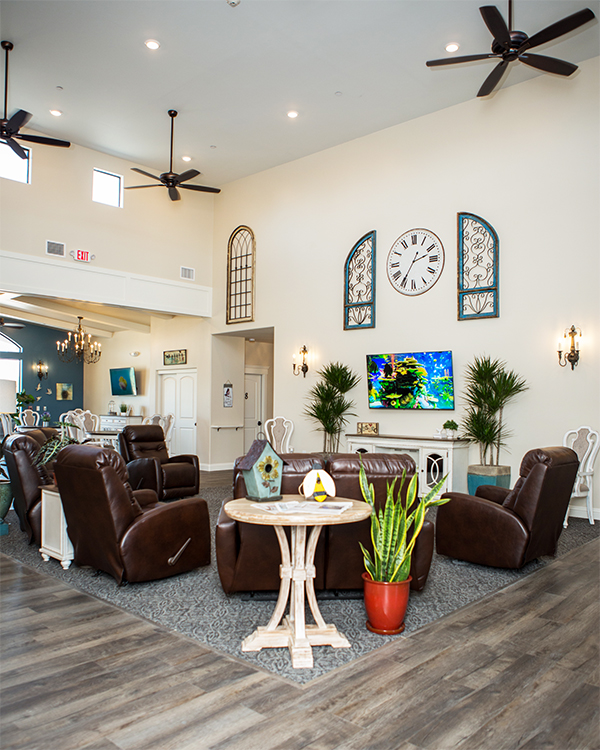
Marketing products often show fireplaces, couches, and joyful art. A more important test is this: just how much of daily life in the structure seems like real home life rather of a hotel or a hospital?
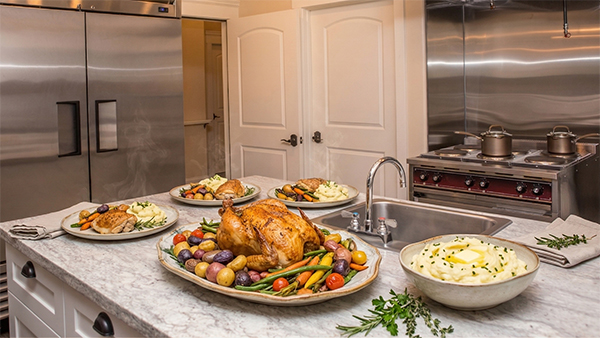
In small dementia care homes, the kitchen area normally sits at the center of things. Homeowners can sit nearby while meals are prepared, odor coffee brewing, hear typical home noise. Staff can discover who drifts towards the cooking area at what time, who is drawn to specific tasks, who appears sleepy or withdrawn.
For someone with dementia, sensory anchors like smell and regimen are powerful. Even if an individual can not remember what they had for breakfast, they might acknowledge the sound of eggs sizzling or the clink of plates, which acknowledgment produces a sense of safety.
The physical design of a small home also makes it easier to support purposeful roaming. In a large community, long hallways and lots of doors can confuse somebody with amnesia. In a small home, courses tend to be much shorter, and personnel can see or hear a resident more easily. Some homes are particularly designed so that a person can walk a loop through shared areas and go back to where they began without dead ends or locked barriers in every direction.
When I have actually toured small homes that do dementia care well, a couple of information frequently stand apart:
Residents' personal products are visible and used, not just scheduled show.
Noise levels are low to moderate, without any constant overhead announcements. Personnel speak with homeowners by name and refer to their individual histories in conversation. The television is not the default background however switched on purposefully.These are little things, however together they change the psychological climate.
Behavior "problems" and the effect of scale
Families are frequently informed that habits problems merely come with dementia. That is just partially true. Lots of behaviors are attempts to communicate distress, confusion, monotony, or physical discomfort.
In a crowded, loud environment, it is easy to misread or miss out on those signals. A person who shouts may get labeled as aggressive, when they are actually responding to overstimulation or worry. Somebody who punches or kicks throughout bathing might be trying to secure themselves from what they view as a threat.
Smaller senior care homes that specialize in dementia care have more breathing room to:
Pause rather of restrain when a resident resists care.
Change the environment, such as dimming lights or transferring to a quieter room. Utilize more individualized methods, like favorite music or a familiar expression, to redirect. Watch for patterns. Maybe the agitation constantly appears an hour before supper because of hunger, or just at night due to unattended sleep apnea.None of these methods require sophisticated innovation. They need time, attentiveness, and connection, all of which scale more quickly in a smaller sized setting.
Medication usage is another location where small homes can make a difference. Antipsychotics and other sedating drugs in some cases assist manage severe behavioral symptoms, but they also carry serious dangers for older grownups with dementia. In environments where nonpharmacologic methods are possible and consistently utilized, there is typically less pressure to medicate away behavior.
I have actually seen homeowners move from a large facility, get here on a number of psychiatric medications, then have cautious reviews with their physician and steady dosage decreases once they are in a calmer, more foreseeable setting. Not everyone can decrease medications securely, however smaller sized homes often create the conditions where that conversation is realistic.
Assisted living, memory care, and the gray zones
The labels used in senior care can be confusing. Assisted living typically implies aid with day-to-day jobs like dressing, bathing, and medication reminders, but not 24-hour competent nursing. Memory care refers to services tailored to individuals with dementia, often in a protected location with specialized shows and staff training.
Small residential care homes in some cases operate under assisted living regulations, however serve mainly as memory care in practice. Others honestly market themselves as dementia care homes. The regulative structure varies by state or nation, which matters for what they can lawfully provide.
This gray zone produces both opportunities and risks.
On the favorable side, small homes can combine the versatility of assisted living with the structure of memory care. They can offer assistance for people across a variety of dementia stages, from early difficulty with complex jobs to advanced requirements such as complete assistance with personal care.
The risk is that some homes might accept homeowners whose needs surpass what is genuinely safe in a small, non-medical setting. Households need to ask in-depth questions about:
Assessment requirements before move-in.
Personnel training in dementia care and in managing medical emergencies. Policies about homeowners who become bedbound, establish advanced behavioral symptoms, or require two-person transfers. Arrangements for visiting nurses, hospice, or other outdoors providers.Done well, the small-home model enables lots of people with dementia to avoid disruptive transfer to nursing homes. Done thoughtlessly, it can stretch staff beyond their abilities and compromise safety.
The function of respite care in small homes
Respite care is short-term senior care that provides household caretakers a break. It can last a couple of days to a couple of weeks. Lots of little assisted living or memory care homes use respite stays when they have an open room.
For dementia, respite in a little home can be especially valuable. A big structure can feel frustrating for a brief stay, just when the person with dementia is trying to adjust to an unknown environment. In a little home, there are fewer brand-new faces and less sensory overload.
From the personnel side, it is easier to incorporate a respite resident into household routines. Caretakers can spend more one-on-one time finding out that individual's patterns and choices, which lowers the threat of distress behaviors that in some cases lead households to state "respite just doesn't work for us."
I typically encourage household caregivers who are hesitant about respite to think of it as training for both sides. The individual with dementia discovers that others can assist them. The caretaker learns that it is possible to hand over duty without catastrophe. A small, steady home environment makes both lessons easier.
Cost, value, and trade-offs
Small senior care homes are not immediately more affordable or more pricey than large communities. Costs vary with area, staffing levels, and just how much care is included in the base rate.
What does tend to vary is how the value reveals up.
Large assisted living or memory care facilities typically highlight amenities: theater rooms, numerous dining places, gyms, frequent trips. These can be wonderful for locals who still take pleasure in and can take part in those activities.
Small homes hardly ever compete on amenities. Their "bonus" are most likely to be intangible: quieter nights, staff who understand your mother's preferred breakfast, versatility to adjust care without waiting on a committee decision.
There are trade-offs. A socially outgoing individual with early-stage dementia might grow much better in a large community with numerous peers and structured group activities. Somebody who quickly becomes overwhelmed in crowds may feel much safer and more content in a small home.
The choice is not only about cash or square footage. It has to do with fit. That fit depends upon personality, stage of dementia, medical complexity, and household expectations.
If you are comparing options, it assists to visit personally at various times of day. View a meal, listen during a shift change, see how personnel respond when something unforeseen happens. The reality on the ground is more vital than any brochure.
When small is not the best choice
It is appealing to romanticize little homes as constantly superior. Truth is more complicated. There are situations where a big community or nursing facility is the better fit.
For example, somebody with really complex medical requirements might need on-site registered nurses 24 hr a day, specialized rehab equipment, or fast access to doctors that a small home can not supply. A resident who is physically really strong and persistently aggressive may be hazardous in a home with just one or two personnel on task overnight.
Small homes also depend greatly on their leadership. A strong owner or administrator who comprehends dementia, supports personnel, and preserves clear boundaries about whom they can securely serve can produce a remarkable environment. An improperly run small home, on the other hand, can feel separating, understaffed, and unreceptive to household concerns.
Red flags consist of:
Consistently strong smells of urine or feces, not simply at separated moments.
Citizens sitting for long periods without interaction or supervision. Personnel who appear hurried, curt, or not familiar with homeowners' basic histories. Unclear responses when you ask about staff training, turnover, or how they manage falls and medical emergencies.
Size alone does not ensure quality, however it shapes what is possible. In a small home, issues are harder to hide, which is a combined blessing. Families might notice issues faster, but they likewise need to be prepared to speak up early and often if something feels off.
What to look for when visiting a little dementia care home
A structured visit helps cut through impressions. Beyond the standard questions about licenses and expenses, concentrate on how the home in fact supports dementia care.
Here is a succinct checklist you can bring to a tour:
- Ask how many locals have dementia and how advanced their conditions are. Try to match your loved one's requirements to the present population.
- Observe how personnel speak with locals. Are they considerate, patient, and warm, or rushed and task-focused.
- Explore the physical space. Look for clear sight lines, minimal mess, and basic routes between bedroom, restroom, and typical locations.
- Ask about night staffing. Who is awake overnight, and the number of residents are they responsible for.
- Discuss medical coordination. How do they manage hospitalizations, medical professional visits, brand-new symptoms, and hospice referrals.
After the tour, pay attention to how you feel. Lots of member of the family explain a "gut sense" that the home either fits or does not. That sensation is not whatever, but it is worthy of a place in your decision.
Partnering with staff for better dementia care
Moving a loved one into any type of senior care, whether assisted living, memory care, or a little residential home, is not the end of household participation. It moves the function from direct caregiver to supporter and collaborator.
Small homes use a natural platform for this type of collaboration. The scale makes it easier to understand the administrator by name, to see the same caretakers on each visit, and to have genuine discussions about what is working and what is not.
Families can enhance that partnership by:
Sharing comprehensive life history info, not just medical records. Hobbies, work background, family customs, and fears all matter.
Being honest about past habits issues, not hiding them out of embarrassment. Staff do better when they know the full picture. Monitoring in with staff on what techniques work well, and using the exact same phrases or routines throughout visits. Consistency helps the individual with dementia feel safer. Appreciating staff expertise while remaining firm about concerns. A great home welcomes sensible concerns and collaboration.From the personnel point of view, families who remain engaged yet practical about the development of dementia are vital. They help personalize care, support the resident emotionally, and advocate for needed services like hospice or treatment at the right time.
The larger picture: dignity and day-to-day life
At the heart of all senior care is an easy question: what kind of daily life are we creating for this person.
For someone with dementia, the response is not determined chiefly in special programs or the number of getaways. It is determined in less visible moments. Are mornings calm or chaotic. Does the individual feel understood when they awaken and when they go to bed. Do individuals helping them utilize their name gently or bark commands. Is there room for small pleasures, like sitting in the sun or assisting fold towels.
Small senior care homes, when thoughtfully run, are typically much better placed to support those everyday self-respects. The very functions that restrict their ability to offer a long menu assisted living of features - modest size, simple layouts, close staff-resident contact - are the same functions that can make them ideal environments for high-quality dementia care.
They are not the right answer for everybody. Some individuals with dementia will succeed in a larger assisted living or memory care community, or will require the scientific resources of an experienced nursing facility. Respite care, at home services, and adult day programs will remain vital parts of the senior care ecosystem.
Yet for many households dealing with the frightening, tender work of finding a safe place for a loved one with dementia, little homes deserve a major look. When scale, staffing, and culture line up, these peaceful houses on normal streets can use something profoundly important: a place where a person with memory loss is not lost in the crowd.
BeeHive Homes of Arrowhead Assisted Living provides assisted living care
BeeHive Homes of Arrowhead Assisted Living provides memory care services
BeeHive Homes of Arrowhead Assisted Living provides respite care services
BeeHive Homes of Arrowhead Assisted Living supports assistance with bathing and grooming
BeeHive Homes of Arrowhead Assisted Living offers private bedrooms with private bathrooms
BeeHive Homes of Arrowhead Assisted Living provides medication monitoring and documentation
BeeHive Homes of Arrowhead Assisted Living serves dietitian-approved meals
BeeHive Homes of Arrowhead Assisted Living provides housekeeping services
BeeHive Homes of Arrowhead Assisted Living provides laundry services
BeeHive Homes of Arrowhead Assisted Living offers community dining and social engagement activities
BeeHive Homes of Arrowhead Assisted Living features life enrichment activities
BeeHive Homes of Arrowhead Assisted Living supports personal care assistance during meals and daily routines
BeeHive Homes of Arrowhead Assisted Living promotes frequent physical and mental exercise opportunities
BeeHive Homes of Arrowhead Assisted Living provides a home-like residential environment
BeeHive Homes of Arrowhead Assisted Living creates customized care plans as residents’ needs change
BeeHive Homes of Arrowhead Assisted Living assesses individual resident care needs
BeeHive Homes of Arrowhead Assisted Living accepts private pay and long-term care insurance
BeeHive Homes of Arrowhead Assisted Living assists qualified veterans with Aid and Attendance benefits
BeeHive Homes of Arrowhead Assisted Living encourages meaningful resident-to-staff relationships
BeeHive Homes of Arrowhead Assisted Living delivers compassionate, attentive senior care focused on dignity and comfort
BeeHive Homes of Arrowhead Assisted Living has a phone number of (602) 717-1864
BeeHive Homes of Arrowhead Assisted Living has an address of 17202 N 69th Ave, Glendale, AZ 85308
BeeHive Homes of Arrowhead Assisted Living has a website https://beehivehomes.com/locations/arrowhead
BeeHive Homes of Arrowhead Assisted Living has Google Maps listing https://maps.app.goo.gl/D7JvVkn2P8RDaFQS7
BeeHive Homes of Arrowhead Assisted Living has Facebook page https://www.facebook.com/BeeHiveArrowhead
BeeHive Homes of Arrowhead Assisted Living won Top Assisted Living Homes 2025
BeeHive Homes of Arrowhead Assisted Living earned Best Customer Service Award 2024
BeeHive Homes of Arrowhead Assisted Living placed 1st for New Mexico Senior Living Communities 2025
People Also Ask about BeeHive Homes of Arrowhead Assisted Living
What is BeeHive Homes of Arrowhead Assisted Living Living monthly room rate?
Our monthly rate is based on an individual care assessment that determines the level of support your loved one needs. We use an all-inclusive pricing model, which means no hidden costs, no surprise fees, and no confusing tier add-ons. Contact us to schedule a complimentary assessment and personalized quote
Can residents stay in BeeHive Homes of Arrowhead Assisted Living until the end of their life?
In most cases, yes. We are committed to caring for our residents through their journey. Exceptions may arise if a resident requires 24-hour skilled nursing services or presents safety concerns that exceed what our home can accommodate. We work closely with families and healthcare providers to ensure smooth, compassionate transitions whenever they are needed
Do we have a nurse on staff?
Our home has a consulting nurse available 24/7. If nursing services are needed, a physician can order home health care to be provided directly in the home. Our trained caregiving staff is on-site around the clock for daily support, medication management, and emergency response
What are BeeHive Homes of Arrowhead Assisted Living's visiting hours?
We welcome family visits and work to accommodate schedules flexibly. We simply ask that visits happen at reasonable hours so our residents can maintain healthy daily routines. We believe family connection is essential, and we never want policies to get in the way of that
Do we have couple’s rooms available?
Yes. We have rooms designed for couples who want to stay together. Availability varies, so we encourage you to ask early during the tour and assessment process
Where is BeeHive Homes of Arrowhead Assisted Living located?
BeeHive Homes of Arrowhead Assisted Living is conveniently located at 17202 N 69th Ave, Glendale, AZ 85308. You can easily find directions on Google Maps or call at (602) 717-1864 Monday through Sunday 7:00am to 7:00pm
How can I contact BeeHive Homes of Arrowhead Assisted Living?
You can contact BeeHive Homes of Arrowhead Assisted Living by phone at: (602) 717-1864, visit their website at https://beehivehomes.com/locations/arrowhead or connect on social media via Facebook
Haus Murphy's provides a welcoming local dining experience that assisted living and memory care residents can enjoy during senior care and respite care visits.